The Rule of Three
Many people have probably heard ‘you should always follow the rule of three’ whenever decorating. What does ‘The Rule of Three’ actually mean, and how on earth do we achieve it in our homes?
Many designers may probably inform you that ‘The Rule of Three’ was created so an odd number of items seem more natural than a ‘forced’ even number of items, it seems more random and so more natural. This is because too much symmetry makes a room look ‘too thought-out’ and rather busy; thus stale and cold.
Many people have probably heard ‘you should always follow the rule of three’ whenever decorating. What does ‘The Rule of Three’ actually mean, and how on earth do we achieve it in our homes?
Many designers may probably inform you that ‘The Rule of Three’ was created so an odd number of items seem more natural than a ‘forced’ even number of items, it seems more random and so more natural. This is because too much symmetry makes a room look ‘too thought-out’ and rather busy; thus stale and cold.
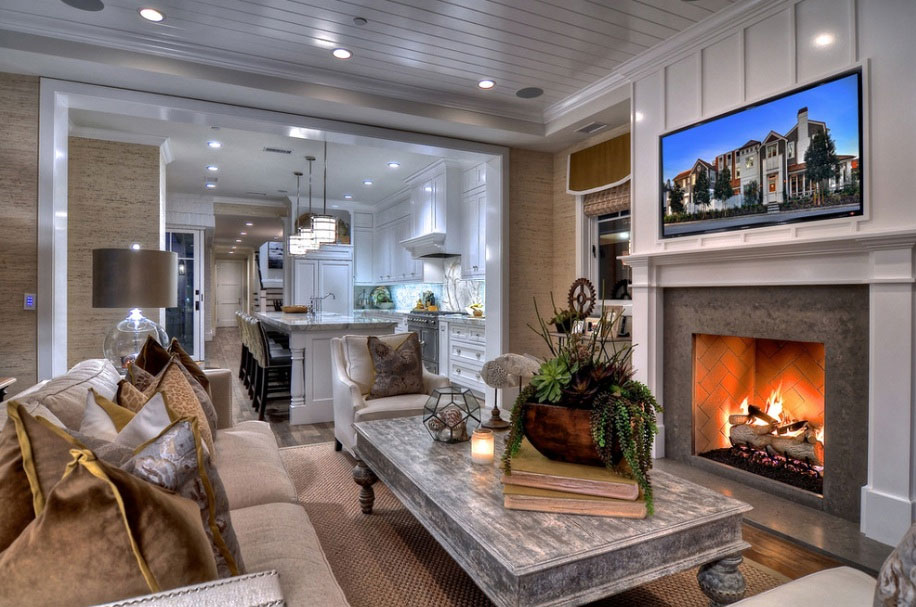
Colours in a room
60, 30, 10 is the standard ratio that seems to work best when choosing colours for a room:
- 60% = main colour
- 30% = secondary colour
- 10% = accent colour
This ratio can be applied to any décor; interior and exterior. As an example, for a living room the main colour may be beige, the secondary colour a bold blue and the accent a calm coral cushion spread with bold blue trim. If bold colours are not ‘your bag’, you can use varying shades of the main colour.
Three Textures Look Best
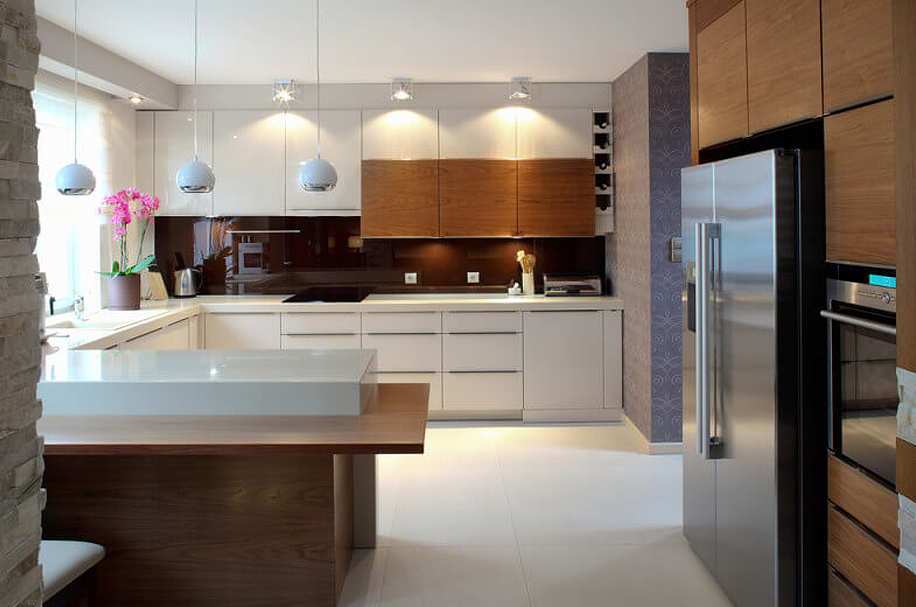
Is an all-white room really all white? Think not! You would probably notice at first it appears that way, but on closer inspection you will see varying shades of white, beige, cream and brown.
A ‘single-colour room’ can be broken-up using ideas as mentioned above and with different textures such as fabrics, leathers and metals.
How many light fittings?
Do you really need to ask? Of course… three.
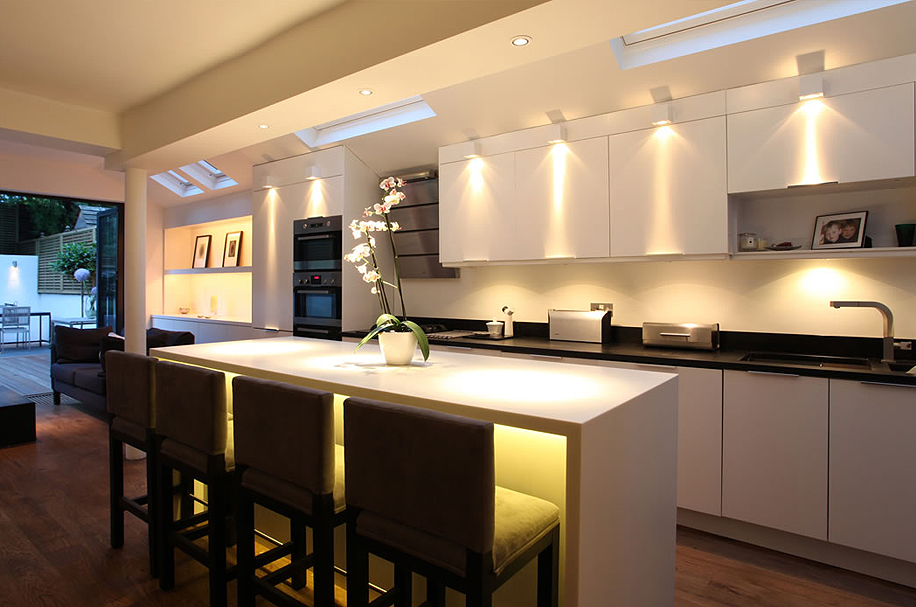
The Rule of Three also applies to your lighting. We don’t mean only have three lights but three styles of lighting work best.
The best way is to have a main light overhead with the use of a dimmer, then have numerous accent lamps around the room and to top it off maybe under cabinet lighting (for example). Layered lighting like this combine to create a balanced room.
The Rule of Three and Furniture
This does not have to be as hard as it seems, there are a lot of rules out there when it comes to room layout and furniture placement. You may be pushed into ignoring some rules but we suggest you follow ‘The Rule of Three’.
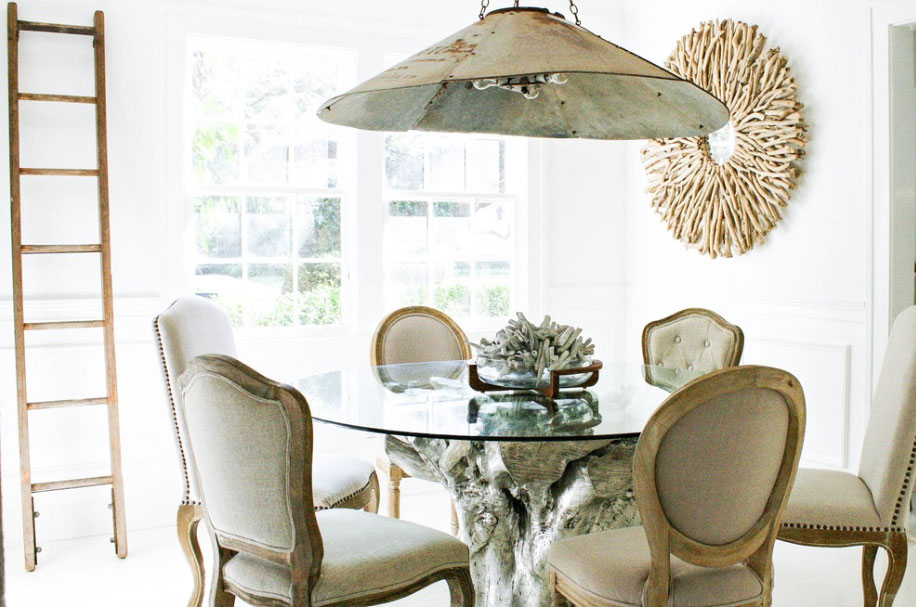
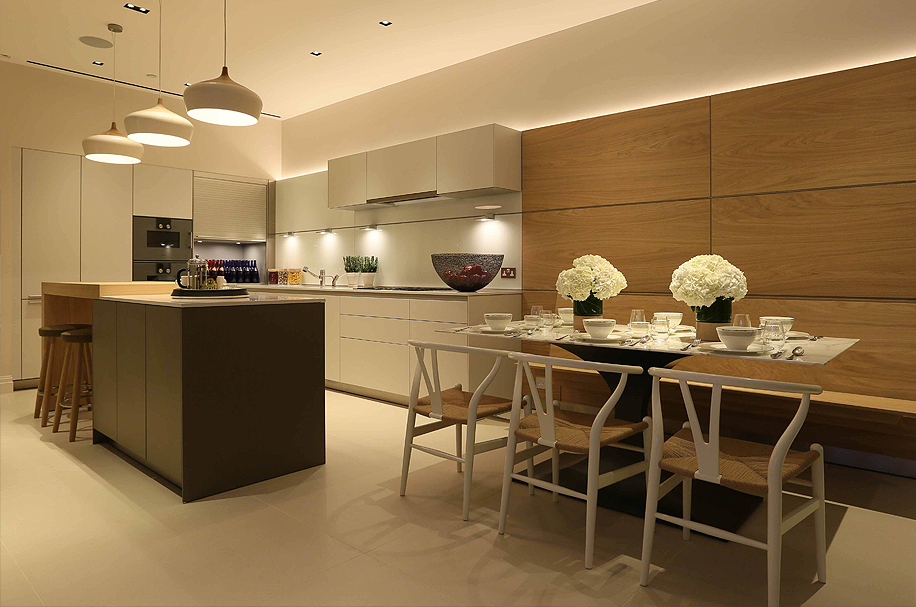
The room pictured above is not symmetrical in appearance. If only one chair was at dining table, it would have looked lost and off balance, two would look unnatural – Having 3 the room remains scaled correctly and adds an added interest.
The Rule of Three – Don’t take it too literally!
It will seem like we are going backwards here to go forwards, but don’t take ‘The Rule of Three’ too literally. The rule is like any other rule; it can be bent or broken but only when that disconnection works in favour.
The image above shows how the ‘rule’ can be manipulated to make a room work better than if that rule was applied throughout.